

Project
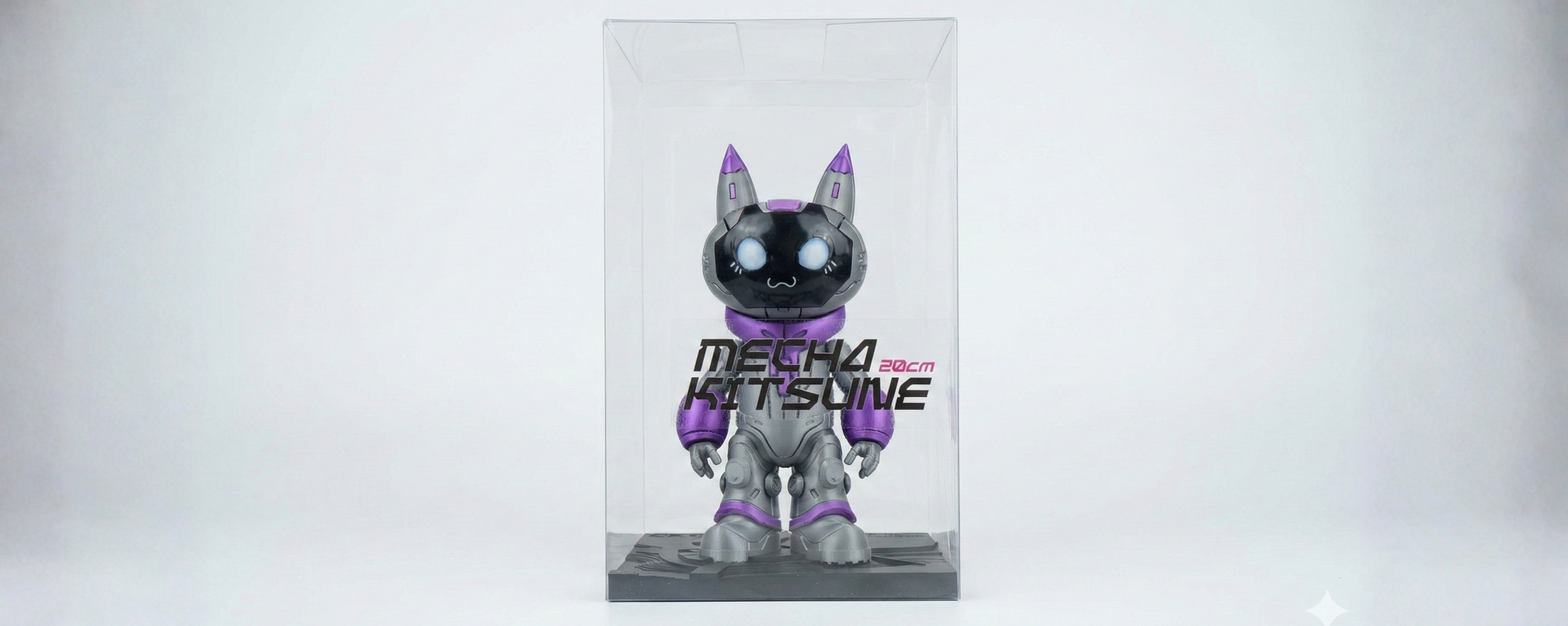
Mecha Kitsune
Two weeks to turn a festival IP into something people would never throw away.
Afterlight is a one-off social culture festival IP created and hosted by Popper Asia, a night-time world where music, art and technology collide. When they set out to build this universe in the real world, they needed more than lighting, stages and screens. They needed a character that could carry the spirit of the festival into people’s hands and homes.
That character was Mecha Kitsune, the mascot of Afterlight.
Mecha Kitsune existed in the festival’s narrative and digital interactions, but to make the IP truly resonate, it had to step beyond the screen. Our task was to help Popper Asia design and materialise Mecha Kitsune as a collector piece that felt intentional, tactile and worth keeping long after the last track faded out.
Design and fabrication ran in parallel to meet the event clock.
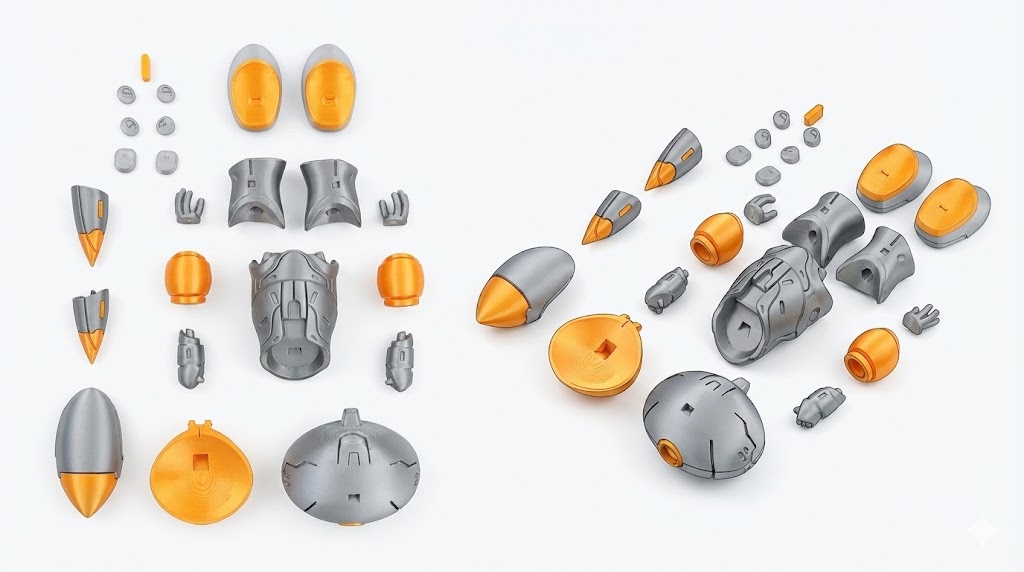
With only two weeks from brief to festival opening, there was no room for long approval chains or overseas production. While Popper Asia refined the creative and interactive journey of Afterlight, we were already engineering joints, testing print tolerances and defining how each surface should feel in the hand. Local, in-house fabrication meant we could prototype, iterate and commit to final production in days, not months.
The mascot became a physical anchor for the Afterlight experience.
On site, Mecha Kitsune did more than sit on a shelf. As a tangible extension of the Afterlight world, it tied the interactive quests, visuals and atmosphere back to a single, recognisable character. Guests didn’t just remember lights and music, they remembered the little fox-shaped mech they could hold, display and photograph. The collector piece turned a two-night event into something that lived on desks, shelves and social feeds long after the festival ended.
Two weeks. One mascot. A keepsake that outlived the night.
By giving Afterlight’s mascot a physical body, we helped transform an abstract festival universe into something people could touch and take home. The project proved that when IP, character design and fabrication move together, even a one-off event can leave behind objects that feel permanent, not disposable.